
It is important for investors to identify financial risks before engaging in an investment position. Those who do not,
normally find themselves in a very odd juncture where losses can be direct and execed expectations. And getting out of
a losing investment position is not easy. That is why we have armamentariums such as fundamental and technical analysis to
understand the dynamics of the financial markets and derivatives before opening a position. constitutively you cannot trade
the financial markets without discernment and having gnosis circumambient your investment interests.

There are multifarious risks in the financial markets and they need to be in constant monitoring. There is market risk, credit risk,
liquidity risks, model risk, operational risk, tax risk, settlement risk, legal/contract risk, regulatory risk, accounting
risk, sovereign and political risk, ESG risk, performance netting risk. We will discuss the risks in detail in the coming
weeks ahead.
Risk management

A majority of ametuar retail traders do not ruminate the process of risk management when trading the financial markets. And this can bring about devastating outcomes to investment positions.Risk management is a very significant part of the
investment process. Primarily because investing is inherently risky and requires some cortege of managing the risks that go hand in hand with it. You can either lose money or your expected cashflow forecasts for a bond investment could not be
realized as expected with less risky investments. You can lose money for which you could not have perpended reckoning in high value. I think that this is the Gordian knot(problem) that most beginner investors stumble upon.

Witting your financial mathematics is also important, because it would be useless not being able to simulate your portfolio into the future using time models that can help you forecast your losses, profits, risk and other important aspects.
Identifying risks of an investment portfolio is very important and it is a constant process, that requires an investor to
regularly alter his and her portfolio positions. This habitué peripeteia will better position your portfolio to profitability.
Bond yields and stock market earnings.
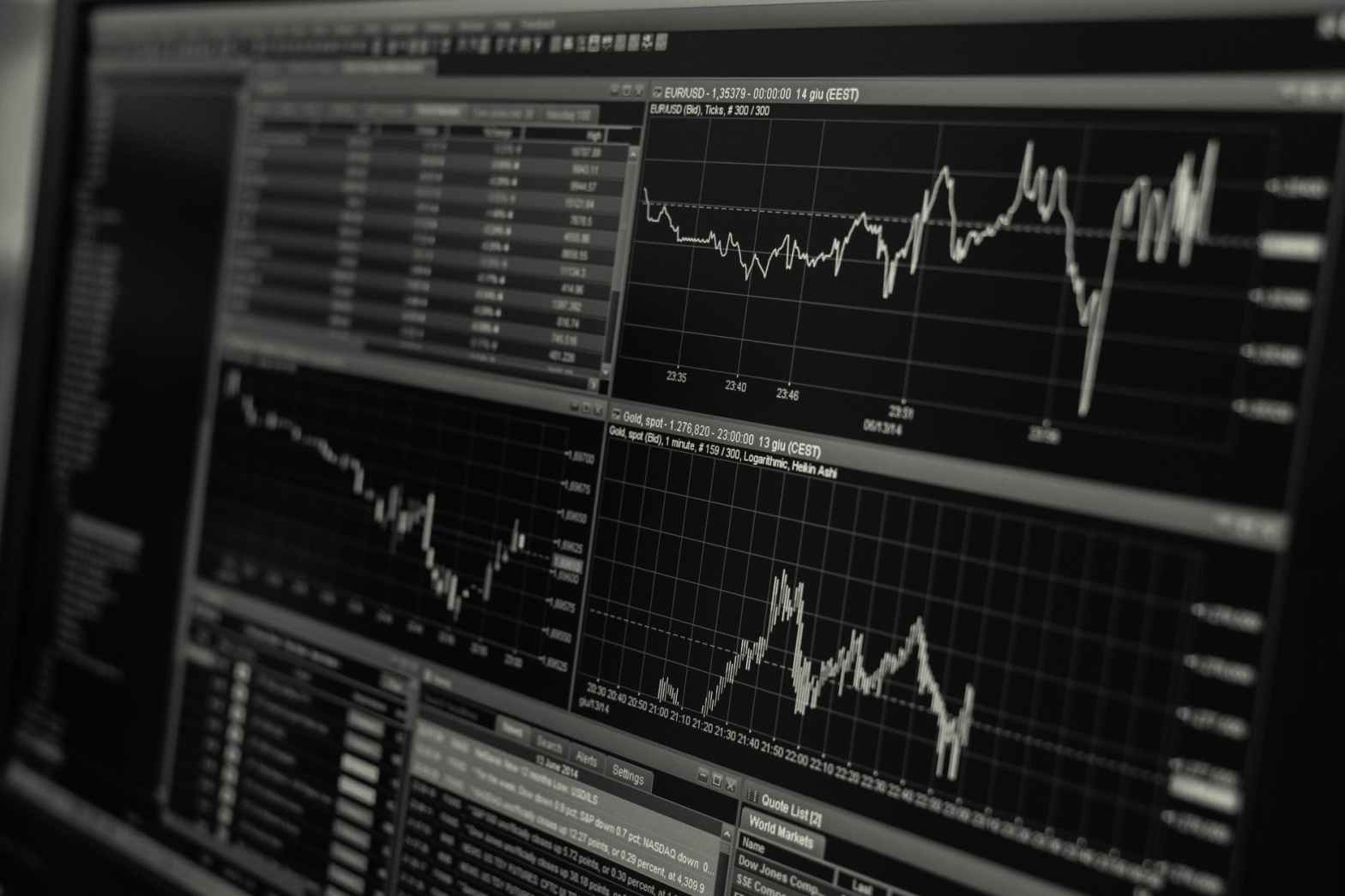
In this artcle,I will be discussng the relationship between bond yields and stock market earnings in terms of individual
derivatives. From a fundamental level of understanding regarding capital and the rate of return, which imply interest of borrowed proceeds. Every proceed of financing that involves borrowing earns interest, as the case is with bond
investments unless someone is participating in arbitrage and donations. When an investor buys a companies stock, he she is simply borrowing capital to a company in the hopes of earning yields from the initial investment. The global economy and the financial markets are inter-connected, reflecting a mirror of each other. What I mean to expound in this article is the fact that bond yields and the stock market have a positive correlation. When bond yields rise on the longer term, earnings,return on capital, interest rates and the stock market are also expected to rise respectively.

Earnings, interest rate, bond yields and the rate of return on capital, reflect almost the same thing as synonymous words used in financial terminology. Individual stock market derivatives are affected positively when interests, yields and the rate of return are rising. Stock market dividens and the business climate are postive when bond yields are rising and better
economic prospects can be expected. Global growth that is primarily financed from a monetary level due to the demand and need for the use of currency.
Investing in renewable energy.

Investments in renewable energy have been trending in the past decade following the new need for environmentally friendly approaches to investing. Today, investors are able to put capital in environmentally friendly companies like Tesla with the intent to creating an electrically independent automotive instead of petrol and desiel powered engine cars. Algae innovation
and other renewable energy investments are becoming the norm and today, consumers are willing to buy and support goods and services with environmentally friendly approaches to doing business.

It is important for investor to care for the planet, for the destruction they have already done does not need recounting.Today investing in renewable energy can come with potentially great profitability into the very near future, nonetheless these
companies are going through the test of time because most are currently unprofitable. What this companies offer has potentiality for the future,primarily because some have file for IPO's and getting the chance to being listed on stock exchanges means investors have been seeing potentiality. The fact that this innovations and creativities will bring enormous frontiers to how we care for the environment and the planet that we live on, they will also bring about great changes to
how we live. Renewable investments are self-help investments that will drive the future.
Monetary policy vs fiscal policy.

Monetary polcy is a policy implemented by a federal government agency or a central bank as a way of controlling interest rates in order to administrate the distribution of currency in circulation of a country, state or region. Monetary policies main tool to maintaining equilibrium in the circulation of money is determined by interest rates. Interest rates in turn determine the true value of exchangable legal tender for currencies.Central banks are the main source of printed currency which is borrowed to others at a rate of interest by banks and financial institutions that hold accounts with a
particular monetary authority. Banks and financial institutions in turn borrow this proceeds of interest bearing currency
to companies and households who are considered approprate for such crediting. In periods of economic and financial distress
central banks normally lower interest rates to encourage borrowing and in efforts to stimulate an economic crisis. However I consider this problems inevitable, simply because economic theorists regard such as periods of business cycles. Monetary policy making is not part of governmental operations, they are solely operating as an independent authority because they also borrow money to the government (which are fiscal policy makers).

Fiscal policy is a policy directed by the government to encourage stable financial and economic dynamics. An example of how the
government can do such, is by utilizing tools disposable such as grants and implementing new tax regimes that will affect the
distributon of currency in a country, state or region. Both monetary and fiscal policy are important and significant in affecting the distribution of money, nonetheless, monetary policy making affects the overall distribution of currency. Primarily because monetary policy makers borrow to fiscal policy makers. Governments are at the mercy of central banking
authorities.
Swing trading the financial markets.

Like i mentioned in an article published earlier this week, trading involves short-term investments. Swing trading investments are longer than price action trading investments, they are investment positions intended to last no longer than
three months. Swing trading has some margin of safety while price action trading is much risky. Swing traders place speculative investment positions in their portfolios normally not intended to run for more than a week. For beginner traders and investors, swing trading is the best and simplest strategy to use and learn before enbarking on new trading strategies.

Swing trading is perhaps the most popular trading method in the financial markets. It is simply unsofisticated, options
and futures trader use this strategy. Technical analysis and fundamental analysis are both applied by most financal market traders while using most trading strategies. Some options trader only apply techncal analysis to execute their trades. And some futures traders use technical analysis solely and others fundamental analysis solely.It wholelly depends on what works
for a trader.
Price action trading.
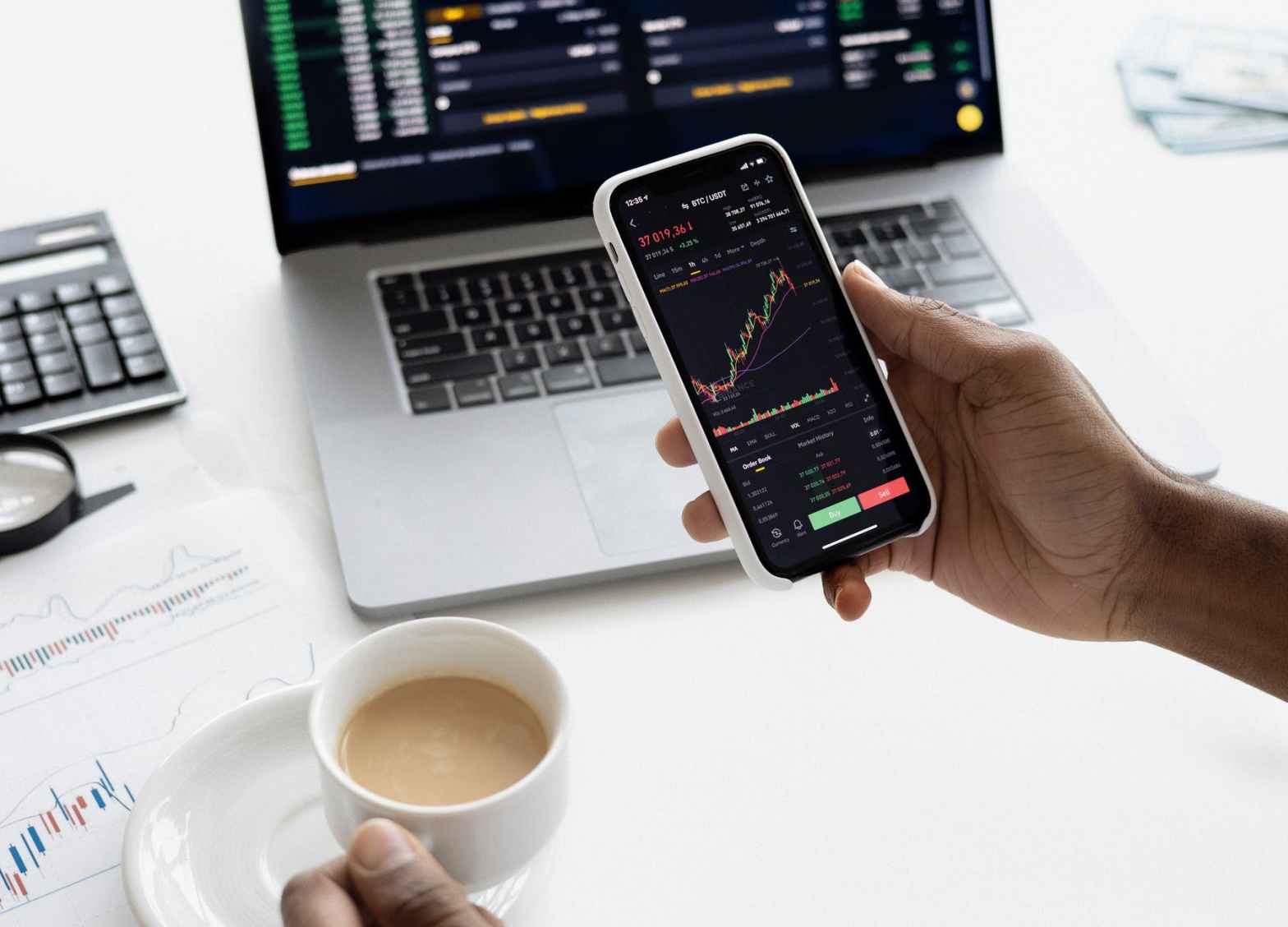
First and foremost investing and trading are two almost different things. Investing involves long-term investments that range
from three months and more of holding an investment derivative in a portfolio. However investments that are less than three months are considered trades. Price action traders normally hold investment positions not longer than a single day because their trades are based on some fundamentals and technical indicators that are not meant to last for long periods.
Price action traders have to constently monitor their short-term positions because they also highly leveraged. Amatuer options traders trade options using the price action trading strategy, with their trades not lasting for no more than an hour.

Most price action traders use high leverage while using this trading strategy, because they normally generate small profits without the use of leverage. Leveraged price action trades can generate good profits and can also generate
devastating losses. Price action trading requires great financial markets trading . Derivatives may also appear to be volatile most of the time to price action traders. Monitoring volatility movements is important for price action
traders.
What is the difference between a demo and a real trading account?
A demo account is an account fended by a brokerage firm to its clients, as an aleatory of providing beginner investors the
opportunity to trade a simulated environment of the capital and financial markets. Beginner investors destitute to get familiar with their trading tools and instruments such as softwares and the financial markets operatory in their true nature. As soon as a beginner investor has familiarized him/her self with the salient requisite know how of utilizing these trading
tools, softwares and the nature of the financial markets operations, then one can inchoate using a real trading account. When trading a real account the investor fully fathoms that investing in these financial instruments is risky and requires extra
caution when trading them.

A real trading account is an account provided by a brokerage firm to its clients, as a way of fending professional and
average investors such as retail traders the oppportunity to exchange financial and capital market instrument in order to generate fructuous investments as real life participation in the financial markets rather than a simulation. A real trading account
literally loses money while a demo account uses virtual credits as a form of money used for exchanging these financial instruments.
Retirement annuities and tax-free saving’s accounts.

Retirement annuities and tax-free savings accounts can salutate your financial well-being, although both products are quite
different,a conflation of these two can add great value to your financial prospects. Opening a tax-free bank account can bring about a good investment opportunity with significant tax advantages and positive returns for your future.Retirement annuities are long-term investments which can not be pervious before retirement and tax-free savings accounts are for medium term investments. Medium term investments can be used in vitrine of an accident, precipitate sudden death, savings for your child's education, financing a vernal home or financing that neoteric car you intend to buy.


A retirement annuity is a long term investment intended to benefit the beneficiary after the age of 55 or retirement from work as a stream of income for the future, retirement annuties are not intended for paying debts. However you can use your annuities as monthly income. At retirement you will have access to a one third of the funds, you cannot change your self as the beneficiary of the retirement annuity plan. You can nominate beneficiaries on the retirement policy, which will assist the trustees in the position of your money's in approprately allocating the investment on your death. This policies have fee's for administrative
purposes and have flexible payment structures for your retirement days.
What is leverage?
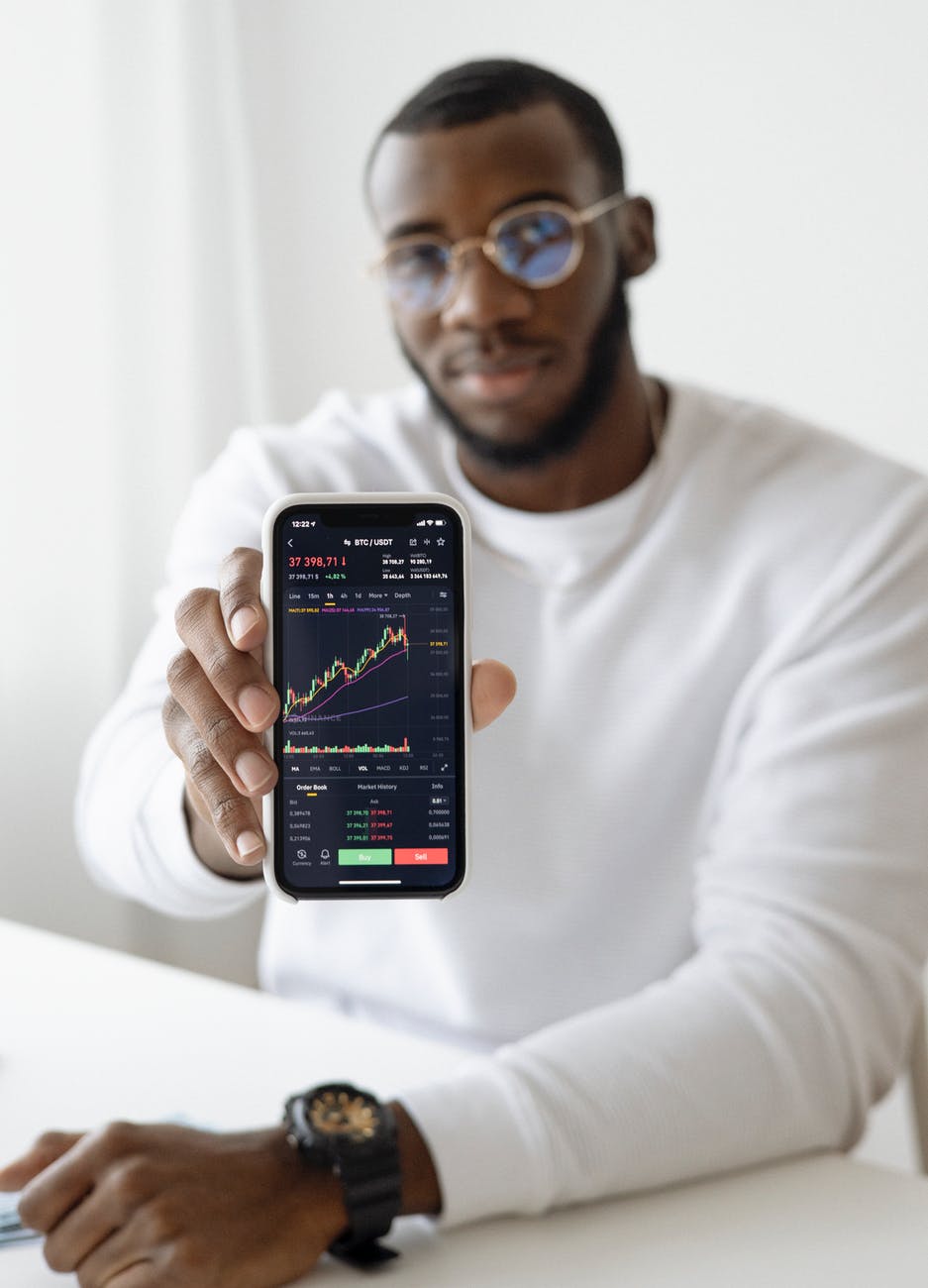
According to financial terminology leverage used by financial institutions is considered to be the borrowing of funds at a certain ratio. This borrowing ratios can be used by institutional investors as a way of generating even more profit in the process of investing. History has flaunt that leverage can be advantageous and disadvantageous. Leverage has proven
to increase the risk of investment portfolios by the same ratio of advantage it provides to investors. However when used approprirately can bring good fortunes to an investors portfolio.Leverage is a neck and neck situation.Leverage has also proven vise versa that its proper use can irrupt a portfolios ratio of profitability. Leverage is when one uses extra eclectic proceeds to generate
investment profits. Normally leverage is used by those who have something to put on the table. You funding your brokerage account demises you access to leverage. If you buy a stock price at $12 per share and your trading account has $100, you
could put $12 to buy 3 shares of the company, but you normally do not receive dividends for the 2 share of borrowed proceeds; you receive only dividends for one share. However when you sell your shares you will perpend for the profits or loses for
which your share prices value has changed.

Leverage is one of the primeval calprits that caused the 2008 financial crisis. Many institutions used proceeds of borrowed
money to purchase and hold financial securities which were soon going to be below the value of their initial buying period.
This instruments devaulued the balance sheets of many companies that held assets in the in the housing market. The housing market was a bubble primarily because it was financed by borrowed proceeds which were later futile in a market that dearth liquidity and was financed by the printing of money and quantitative easing. To get the go by of utilizing leverage
as an investor is also quite salutiferous.
 Kaizer Makakole's Blog